Citizen power to drive sustainable food systems in Ireland
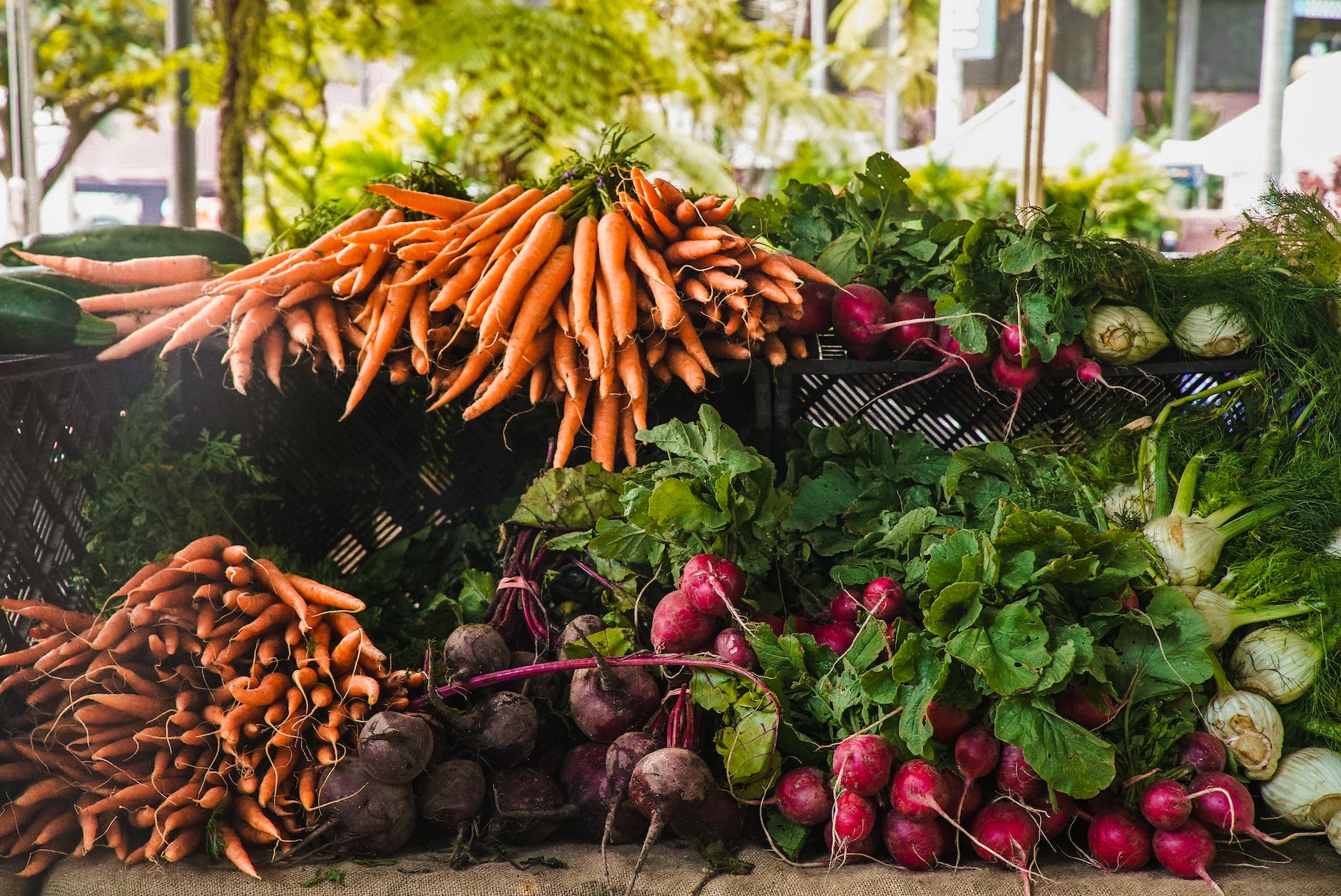
Food systems include actors and actions from food processing, distribution, consumption, waste and circularity. The focus of transformation cannot be on food production alone. To be sustainable, innovations must have societal buy-in, have greater inclusivity and democracy among food system stakeholders, enhance citizen sovereignty and rebalance the power concentrations that characterise contemporary systems.
Our perspective is that citizens have powerful agency in food systems to effect societal change and influence policy. The project reorientates the food systems vision from ‘farm to fork’ to ‘fork to farm’. We believe this reorientated view of food systems is underexplored in research and holds great potential for advancing sustainable food systems in Ireland.
The project involves exploring current food practices of citizens and households in the west of Ireland. We wish to understand how food practices can transition towards being more sustainable in ways that citizens consider acceptable, feasible, affordable and healthy.
For more information, check out the Participant Information Sheet.
Mapping moving parts of food systems with social science and AI

Food Vision 2030 has given Ireland a platform for global leadership in sustainable food systems (SFS).
Operationalising FV2030 may now be enhanced with comprehensive mapping of actors and actions that can support Ireland’s food vision. The ‘why’ and ‘what’ of transformation has great clarity from technical scientific literature; but Ireland can show new leadership in understanding the ‘who’ and ‘how’ – social innovation necessary for sustaining technological innovation.
Our big vision is to develop a methodology that intertwines artificial intelligence (AI) and social science to comprehensively map stakeholders, intended objectives, instruments and interactions in the development of SFS. AI has great potential for analysing synergies and trade-offs in policy scenarios, and for access, interoperability, collaboration, transparency and transferability between national and international decisionmakers developing SFS.
Utilising big data to model stakeholder interrelationships is novel. This study begins the exploration of AI’s capabilities to retrieve and relate information from research, policy and grey literature on stakeholders, intended objectives and instruments implicitly or explicitly related to development and outcomes of SFS in Ireland’s dairy sector from the 2015 launch of Food Wise 2025 to now. We will identify the best AI-methods to extract data to generate knowledge graphs and data visualisation tools showing multi-layered relationships
between stakeholders. In parallel, surveys, one-to-one interviews and multilateral focus groups will be
conducted based upon the same objectives as the AI methodology. Social science analysis will be used to explore (and inform research gaps) in AI’s capabilities to mine text and generate graphs of knowledge flows, perceptions of expertise and power, economic activities and social values between stakeholders developing SFS in Ireland’s dairy sector.
 Food Systems Lab